
Alpharetta Weeding Services
Choose our expert weeding services for a healthier, more beautiful landscape—our skilled team removes unwanted growth efficiently, ensuring your plants have the space and nutrients they need to flourish.
Get a Free QuoteOur Alpharetta Landscaping & Yard Care Services
When to Schedule Weeding in Alpharetta, Georgia – Seasonal Guide
In Alpharetta, Georgia, the best times to schedule weeding are closely tied to our region’s unique climate and landscape. With warm, humid summers and mild winters, weed growth can be persistent, especially in neighborhoods like Windward and near landmarks such as Wills Park. Early spring and late fall are generally optimal for weeding, as soil moisture is higher and weeds are most vulnerable before they set seed. Monitoring local frost dates is crucial—starting weeding after the last spring frost and before the first fall frost helps ensure effective results and protects desirable plants.
Local environmental factors such as drought risk during late summer, varying shade coverage from mature tree canopies in areas like Avalon, and the clay-heavy soils common in Alpharetta all influence the timing and frequency of weeding. Homeowners should also be aware of municipal guidelines, which can be found on the City of Alpharetta’s official website, to ensure compliance with local landscaping regulations.
Local Factors to Consider for Weeding in Alpharetta
- Tree density and shade coverage, especially in established neighborhoods
- Soil type, with clay soils requiring different approaches than sandy areas
- Seasonal precipitation patterns and drought risk
- Terrain and slope, which affect water runoff and weed growth
- Municipal restrictions or guidelines for yard maintenance
Benefits of Weeding in Alpharetta
Enhanced Curb Appeal
Healthier Plant Growth
Reduced Pest Infestation
Improved Soil Quality
Increased Property Value
Professional and Reliable Service
Alpharetta Weeding Types

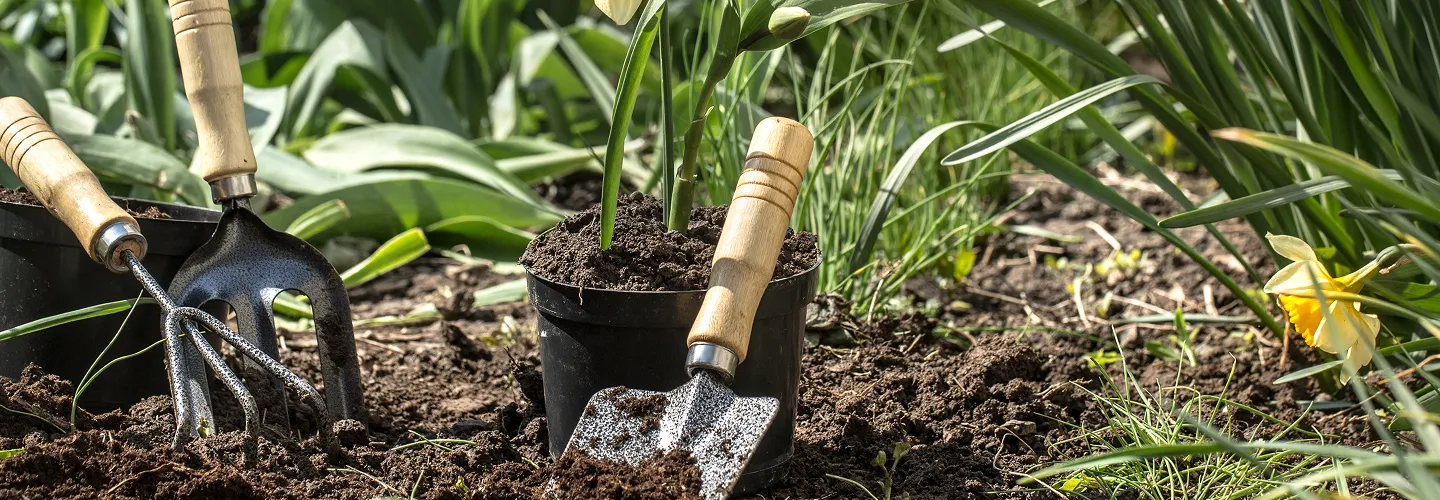
Hand Weeding
-
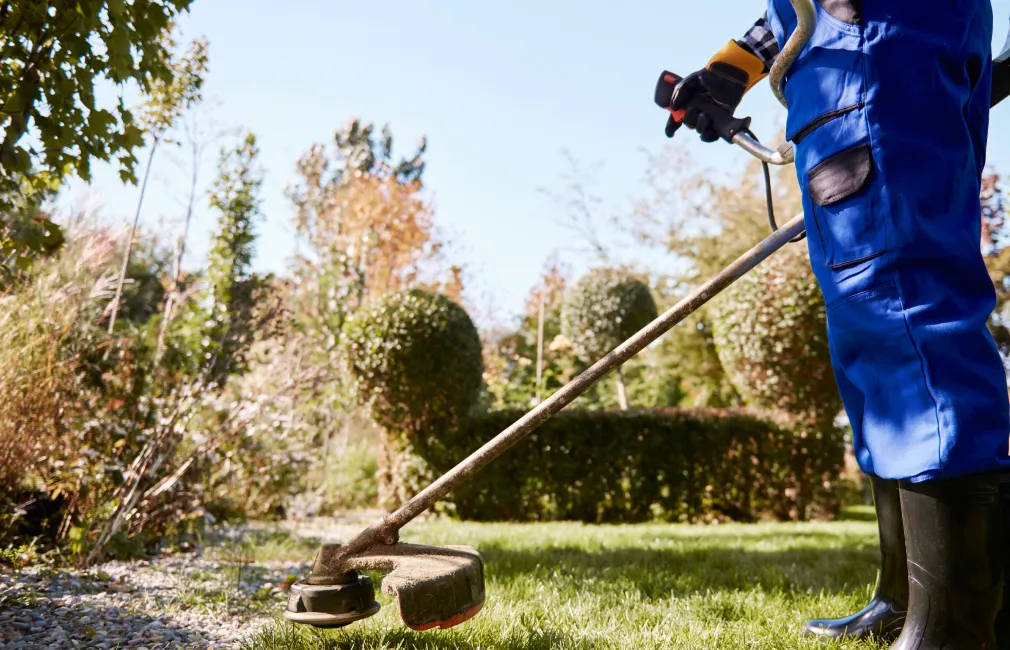
Mechanical Weeding
-
Chemical Weed Control
-
Mulching for Weed Prevention
-
Flame Weeding
-
Organic Weed Management
-
Pre-Emergent Weed Control
Our Weeding Process
Site Evaluation
Weed Identification
Targeted Removal
Soil Treatment
Final Inspection
Why Choose Alpharetta Landscape Services
-
Alpharetta Homeowners Trust Us
-
Expert Lawn Maintenance
-
Reliable Scheduling
-
Competitive Pricing
-
Professional Team
-
Satisfaction Guarantee
-
Personalized Service
Alpharetta's Piedmont Red Clay Soils and Weed Pressure in Garden Beds
Alpharetta sits within Georgia's Piedmont region, where soils are predominantly Cecil and Appling series — dense, acidic red clay with pH levels typically ranging from 5.0 to 6.0. These compacted clay soils create conditions that favor aggressive weed establishment, particularly in planting beds where surface crusting limits desirable plant root competition. Weeds such as common chickweed, hairy bittercress, and nutsedge exploit compacted, poorly aerated zones with ease. According to the USDA Web Soil Survey, Fulton County soils in the Alpharetta area exhibit moderate to high shrink-swell potential, which can displace mulch layers and expose bare soil — a primary driver of weed germination. Practical steps for managing weed pressure in Alpharetta's clay-dominant beds include:
- Maintain a 2–3 inch mulch layer to suppress germination and moderate soil temperature
- Amend beds with compost to improve aeration and reduce surface crusting
- Hand-pull weeds when soil is moist following rainfall to extract full root systems
- Avoid deep cultivation, which can bring dormant weed seeds to the surface
Alpharetta falls within USDA Hardiness Zone 7b, supporting a long warm-season growing window that extends weed germination pressure from March through October.
Optimal Weeding Timing for Alpharetta's Warm-Season Growth Cycle
Timing weed removal to coincide with Alpharetta's seasonal growth patterns significantly improves long-term control outcomes. The city's warm, humid summers — with average high temperatures exceeding 88°F in July and August — accelerate weed growth cycles, requiring more frequent intervention from late spring through early fall. UGA Cooperative Extension recommends targeting weeds before seed set to prevent exponential population increases across successive seasons. Key timing windows for Alpharetta properties include:
- Late February–March: Remove winter annuals such as hairy bittercress and henbit before they set seed
- April–May: Address early warm-season weeds including crabgrass and spurge as soil temperatures reach 55–60°F
- June–August: Increase weeding frequency to every 2–3 weeks during peak growth; prioritize nutsedge and broadleaf species
- September–October: Remove late-season annuals before first frost to reduce the following year's seed bank
- November–January: Conduct dormant-season bed cleanup to expose and remove overwintering weed crowns
The National Weather Service Atlanta forecast office provides seasonal temperature and precipitation data useful for anticipating weed flush events following significant rainfall periods.
Protecting Alpharetta Stormwater Infrastructure During Weeding Operations
Weeding activities near drainage features, detention ponds, and stormwater inlets require careful management to prevent sediment, plant debris, and herbicide residues from entering Alpharetta's drainage network. The city manages an extensive stormwater infrastructure system that connects to Big Creek, Wills Creek, and other tributaries within the watershed. Displaced weed material, if left near curb lines or storm drain inlets, can obstruct flow and contribute to downstream water quality degradation in violation of the Clean Water Act. Property owners and landscape professionals should observe the following practices:
- Bag or contain all pulled weed material before transport; do not leave piles adjacent to storm drains or curb inlets
- Avoid weeding within 25 feet of stream banks or detention pond edges during or immediately after rainfall events
- Do not wash weed debris into gutters, ditches, or drainage swales
- If herbicide spot-treatment is used near drainage features, verify product label restrictions for proximity to water bodies
The Alpharetta Stormwater Program oversees water quality protection and drainage infrastructure maintenance across the city. Residents with questions about drainage-adjacent landscaping practices may direct inquiries to this program.
Alpharetta Stormwater Program
2 Park Plaza, Alpharetta, GA 30009
Phone: (678) 297-6000
Official Website: Alpharetta Stormwater Program
Georgia Pesticide Licensing Rules Applicable to Herbicide Use in Weeding
When weeding services involve the application of chemical herbicides — including pre-emergent or post-emergent products — Georgia law requires that applicators hold appropriate licensing under the Georgia Pesticide Use and Application Act of 1976. The Georgia Department of Agriculture - Licensing, Certification and Employee Registration administers pesticide applicator certification for commercial operators. Property owners applying herbicides to their own property are generally exempt, but any professional hired to apply chemical weed control products must hold a valid Georgia pesticide license in the appropriate category. Key compliance points include:
- Commercial applicators must carry proof of licensure on-site during any herbicide application
- Product labels are legally binding documents; application rates, buffer distances, and restricted-use designations must be followed precisely
- Spot-treatment of nuisance weeds near turf or beds must use products labeled for residential landscape use
- Verify that any contractor performing herbicide-assisted weeding holds current Georgia Department of Agriculture certification before work begins
Georgia Department of Agriculture
19 Martin Luther King Jr. Dr SW, Atlanta, GA 30334
Phone: (404) 656-3600
Official Website: Georgia Department of Agriculture - Agricultural Pest Control
Invasive Weed Species and Environmental Stewardship in Alpharetta
Several invasive plant species documented across North Georgia's Piedmont region are actively present in Alpharetta landscapes and require targeted removal strategies. UGA Extension - Invasive Species identifies kudzu, Japanese honeysuckle, English ivy, and Chinese privet as high-priority invasives in the Metro Atlanta corridor. These species spread aggressively along wooded lot edges, creek corridors, and fence lines — conditions common throughout Alpharetta's mix of established neighborhoods and preserved greenway areas. The Alpharetta Natural Resources Commission provides guidance on environmental stewardship and natural resource conservation, including support for invasive species management on private and public lands. Recommended practices for invasive weed removal include:
- Remove invasive vines at the root crown rather than cutting stems, which can stimulate regrowth
- Dispose of invasive plant material in sealed bags through regular solid waste collection — do not compost
- Avoid mechanical removal of large kudzu or privet stands during bird nesting season (approximately March through August) near wooded corridors
- Document and report significant invasive infestations near city greenways or parks to the Natural Resources Commission
Alpharetta Natural Resources Commission
2 Park Plaza, Alpharetta, GA 30009
Phone: (678) 297-6000
Official Website: Alpharetta Natural Resources Commission
What Neighborhoods Do We Serve Throughout Alpharetta, GA?
Weeding services are provided across Alpharetta's diverse residential and mixed-use neighborhoods, each presenting distinct site conditions that influence weed pressure, soil behavior, and access logistics.
- Windward: A large planned community adjacent to Lake Windward, where proximity to water features and detention areas increases nutsedge and moisture-loving weed pressure along lot edges and common areas.
- Crabapple: An older, established district with mature tree canopy and wooded lot edges that create shaded bed conditions favoring shade-tolerant weeds such as ground ivy and wild violet.
- Downtown Alpharetta: Mixed residential and commercial properties with compacted urban soils and limited bed depth, where weed management in hardscape-adjacent plantings requires precision hand-weeding techniques.
- Haynes Bridge Corridor: Newer subdivisions with fill soils and active construction-adjacent lots that introduce disturbed-soil weed species including thistle, pigweed, and annual bluegrass.
- Devonshire: An established subdivision with dense tree cover and clay-heavy soils where mulch displacement from surface runoff regularly exposes bare soil and promotes weed germination.
- North Point: A high-density mixed-use area where commercial and residential properties share drainage infrastructure, requiring careful debris containment during weeding to protect nearby stormwater inlets.