
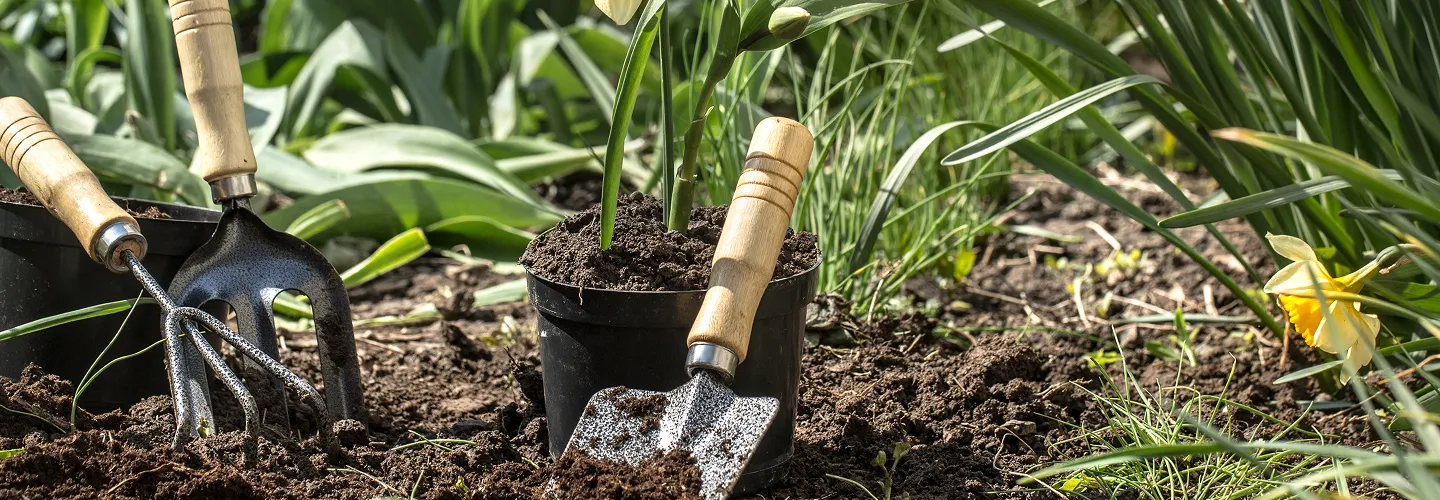
Alpharetta Plant Removal Services
Choose our expert plant removal team for safe, thorough, and eco-friendly solutions that restore your landscape’s beauty and health—trusted by Alpharetta homeowners for reliable results.
Get a Free QuoteOur Alpharetta Landscaping & Yard Care Services
When to Schedule Plant Removal in Alpharetta, Georgia – Seasonal Guide
In Alpharetta, Georgia, the best time for plant removal is typically late winter through early spring, before new growth begins and while the ground is still relatively soft from winter moisture. This timing helps minimize disruption to surrounding landscaping and ensures that roots are easier to extract, especially in neighborhoods like Windward or near Wills Park, where mature trees and established gardens are common. The region’s climate—marked by humid summers, mild winters, and occasional late frosts—means that scheduling plant removal before the last frost date (usually in late March) can help prevent regrowth and reduce the risk of spreading disease.
Local environmental factors such as heavy clay soils, variable shade coverage from dense tree canopies, and the risk of summer droughts all play a role in determining the optimal removal window. For properties near Big Creek Greenway or in the Avalon district, it’s important to consider municipal guidelines and potential restrictions, which can be found on the city’s official website. Consulting with a local expert ensures your project is timed to avoid peak precipitation periods and complies with Alpharetta’s landscaping ordinances.
Local Factors to Consider for Plant Removal in Alpharetta
- Tree density and shade coverage, especially in established neighborhoods
- Soil type (heavy clay vs. loam) affecting root removal
- Seasonal precipitation and risk of soil saturation
- Frost dates and risk of regrowth
- Municipal restrictions or permit requirements
- Terrain and accessibility for equipment
- Proximity to protected green spaces or water features
Benefits of Plant Removal in Alpharetta
Expert Landscaping Services
Efficient Plant Removal
Eco-Friendly Disposal Methods
Improved Curb Appeal
Customized Solutions
Licensed and Insured Team
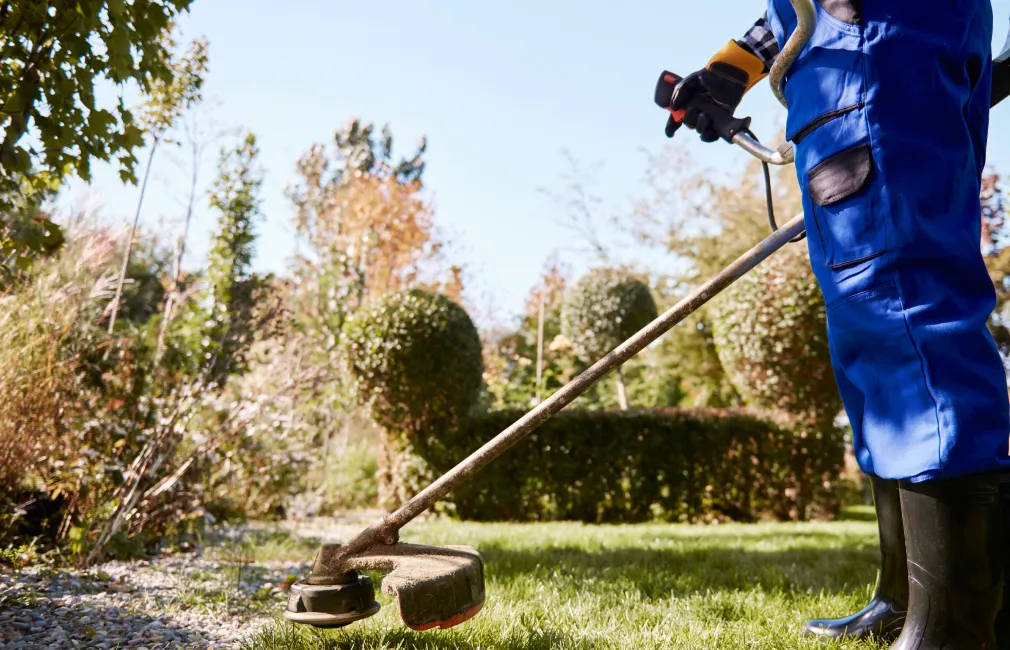
Alpharetta Plant Removal Types

Tree Removal
-
Shrub Removal
-
Stump Grinding
-
Invasive Species Removal
-
Root System Extraction
-
Hedge Removal
-
Overgrown Vegetation Clearing
Our Plant Removal Process
Site Evaluation
Preparation and Safety Measures
Plant Extraction
Debris Removal
Site Restoration
Why Choose Alpharetta Landscape Services
-
Alpharetta Homeowners Trust Us
-
Expert Lawn Maintenance
-
Reliable Scheduling
-
Competitive Pricing
-
Professional Team
-
Satisfaction Guarantee
-
Personalized Service
Invasive and Nuisance Plant Removal Under Alpharetta's Natural Resources Framework
Alpharetta's rapid suburban development within the Georgia Piedmont has created persistent pressure from invasive plant species, including English ivy (Hedera helix), kudzu (Pueraria montana), Chinese privet (Ligustrum sinense), and Japanese honeysuckle (Lonicera japonica). These species colonize wooded corridors, stream banks, and transitional edges throughout the city. The Alpharetta Natural Resources Commission provides environmental stewardship guidance and supports conservation initiatives that directly inform responsible plant removal practices on private and public land. Property owners undertaking removal of invasive species should document plant types and removal methods, particularly when work occurs near protected natural areas or greenway corridors. UGA Extension's Invasive Species program offers identification resources and removal timing guidance specific to Georgia's Piedmont climate zone.
Alpharetta Natural Resources Commission
2 Park Plaza, Alpharetta, GA 30009
Official Website: Alpharetta Natural Resources Commission
Alpharetta's Piedmont Red Clay Soils and Root Extraction Challenges During Plant Removal
Alpharetta falls within USDA Plant Hardiness Zone 7b and sits squarely in Georgia's Piedmont physiographic region, where the predominant soil series include Cecil, Appling, and Madison soils — all characterized by dense red clay subsoils with limited drainage capacity. According to the USDA Web Soil Survey, these soils typically exhibit low permeability below 18–24 inches and high shrink-swell potential when wet. These conditions directly affect plant removal operations:
- Root systems of established shrubs and ornamental trees anchor deeply into compacted clay, requiring mechanical extraction rather than hand-pulling
- Wet clay conditions in late winter and early spring (January–March) can cause significant soil disturbance and erosion if removal is attempted without stabilization measures
- Disturbed clay soils should be re-stabilized with erosion control matting or temporary seeding within 14 days of removal to prevent runoff
- Soil pH in Cecil and Appling series typically ranges from 4.5 to 5.5, which may influence replanting decisions following removal
Consulting the USDA Plant Hardiness Zone Map can assist in timing removal and replanting windows appropriately for Alpharetta's climate.
Protecting Big Creek and Alpharetta's Stormwater Infrastructure During Plant Removal
Big Creek and its tributaries form a significant drainage network through Alpharetta, flowing through residential neighborhoods, greenway corridors, and preserved open space before entering Lake Lanier's watershed. Plant removal activities near these waterways must account for buffer zone requirements and runoff risk. The Alpharetta Stormwater Program administers the city's drainage infrastructure and water quality protection efforts in alignment with the Clean Water Act and EPA NPDES Program requirements. Key compliance considerations include:
- Avoid removing ground-stabilizing vegetation within 25–50 feet of stream banks without erosion controls in place
- Do not allow removed plant debris, root balls, or soil to enter storm drains, drainage swales, or creek channels
- Silt fencing or sediment barriers should be installed on slopes greater than 5% prior to large-scale removal
- The Georgia EPD Watershed Protection Branch sets water quality standards applicable to land disturbance activities near regulated waterways
Alpharetta Stormwater Program
2 Park Plaza, Alpharetta, GA 30009
Official Website: Alpharetta Stormwater Program
Alpharetta Tree Protection Ordinance and Its Intersection With Woody Plant Removal
Plant removal in Alpharetta that involves woody vegetation — including large shrubs, understory trees, or specimen plantings — may trigger review under the city's tree protection regulations. The Alpharetta Tree Protection & Urban Forestry program administers ordinance requirements governing the removal of protected trees and significant vegetation on developed and undeveloped parcels. Property owners and contractors should be aware of the following:
- Trees meeting or exceeding the city's defined caliper threshold (verify current inch-diameter threshold with the department, as thresholds are subject to revision) require a permit prior to removal
- Removal of vegetation within designated tree save areas or conservation easements may require additional review through the Alpharetta Community Development Department
- Stump grinding and root removal within the critical root zone of adjacent protected trees must be performed with care to avoid collateral damage
- Contractors performing removal should carry current liability insurance and confirm compliance with city arborist standards before beginning work
Alpharetta Tree Protection & Urban Forestry
2 Park Plaza, Alpharetta, GA 30009
Official Website: Alpharetta Tree Protection & Urban Forestry
Debris Disposal and Coordination With Alpharetta Public Works After Plant Removal
Following plant removal, proper disposal of organic debris — including root balls, stems, vines, and soil-laden material — is essential for compliance with city standards and environmental protection. The Alpharetta Public Works Department oversees municipal infrastructure and coordinates with waste management services for residential and commercial properties. Residents and contractors should observe the following disposal guidance:
- Yard waste and plant debris must be separated from household solid waste and placed in accordance with current collection schedules — confirm pickup days and container requirements directly with Public Works or the city's contracted hauler
- Invasive plant material, particularly species capable of re-rooting (such as Chinese privet or English ivy), should be bagged in sealed containers rather than left in open piles at the curb
- Large volumes of root balls and woody debris may require private hauling or drop-off at an approved green waste facility; verify current accepted materials and hours before transport
- Do not place plant debris in drainage ditches, right-of-way swales, or adjacent to storm drain inlets
Alpharetta Public Works Department
2 Park Plaza, Alpharetta, GA 30009
Official Website: Alpharetta Public Works Department
What Neighborhoods Do We Serve Throughout Alpharetta, GA?
Plant removal services are provided across Alpharetta's diverse residential and mixed-use neighborhoods, each presenting distinct site conditions and removal challenges:
- Windward: A large master-planned community with mature landscaping, HOA-maintained common areas, and proximity to Big Creek greenway corridors where invasive vine pressure along wooded edges is common.
- Crabapple: An older, established district with mature tree canopy, smaller lot configurations, and dense ornamental plantings that frequently require structured removal and root extraction from compacted clay soils.
- Avalon / Downtown Alpharetta: Mixed-use and transitional areas where plant removal often involves tight access, proximity to hardscape, and coordination with adjacent commercial or public right-of-way standards.
- Haynes Bridge Corridor: Newer subdivisions with fill soils and variable drainage, where ornamental plantings installed during construction may require removal due to poor establishment or invasive spread.
- Webb Bridge Area: Residential neighborhoods near creek tributaries and detention features where buffer-zone compliance and erosion control during removal are particularly important.
- Devonshire / Northwinds: Established subdivisions with significant tree canopy and understory growth, where English ivy and privet removal from wooded lot edges is a recurring maintenance need.