
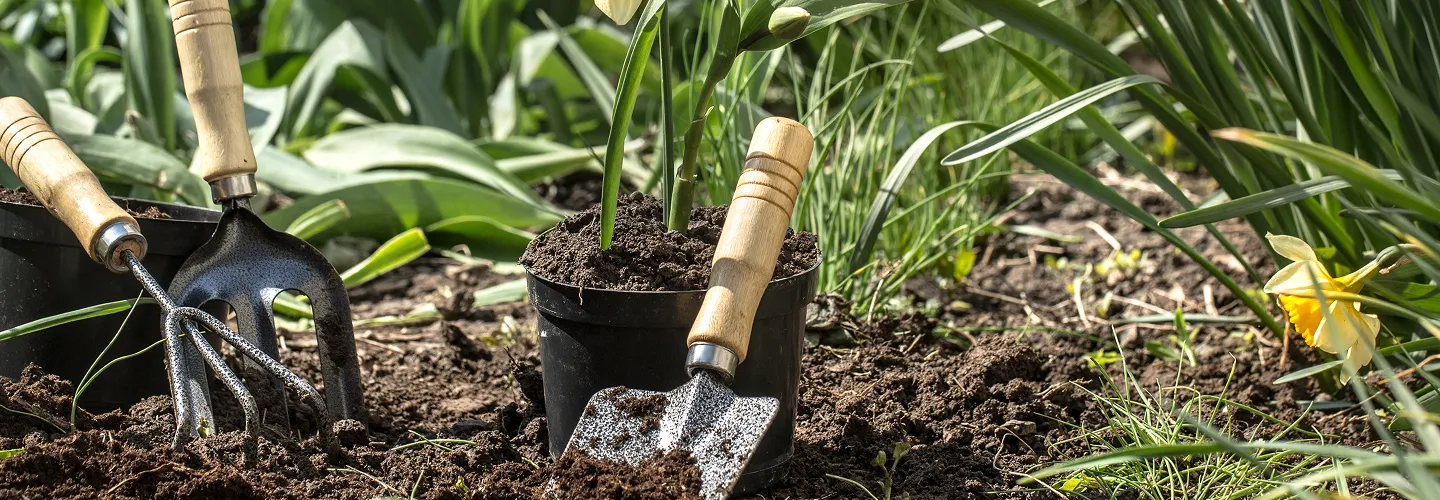
Alpharetta Flower Bed Maintenance Services
Choose our Flower Bed Maintenance for expert care, vibrant blooms, and a weed-free landscape that enhances your home's curb appeal year-round.
Get a Free QuoteOur Alpharetta Landscaping & Yard Care Services
When to Schedule Flower Bed Maintenance in Alpharetta, Georgia – Seasonal Guide
In Alpharetta, Georgia, the best times for flower bed maintenance are closely tied to the region’s unique climate and landscape. With mild winters and hot, humid summers, most homeowners find that early spring and late fall are optimal for tasks like mulching, pruning, and planting. Spring maintenance, ideally scheduled after the last frost (typically in late March), prepares beds for the growing season, while fall clean-up helps protect perennials and bulbs from winter chill. Neighborhoods near Wills Park or along Old Milton Parkway often experience microclimates due to varying tree coverage and elevation, which can affect soil moisture and temperature.
Local environmental factors play a significant role in determining the right maintenance schedule. For example, areas with dense shade from mature oaks in Windward may require more frequent leaf removal, while properties near Big Creek Greenway might face higher humidity and increased risk of fungal issues. Soil types in Alpharetta range from sandy loam to clay, impacting drainage and nutrient retention. Homeowners should also be aware of municipal guidelines and seasonal water restrictions, which can be found on the city’s official website.
Local Factors to Consider for Flower Bed Maintenance in Alpharetta
- Tree density and shade coverage (affects sunlight and leaf debris)
- Soil type (clay vs. loam influences drainage and plant selection)
- Proximity to creeks or wetlands (increases humidity and pest risk)
- Seasonal precipitation patterns (spring rains vs. summer droughts)
- Municipal watering restrictions and local ordinances
- Terrain and elevation (impacts frost dates and runoff)
By considering these local factors, Alpharetta homeowners can ensure their flower beds remain healthy and vibrant throughout the year.
Benefits of Flower Bed Maintenance in Alpharetta

Enhanced Curb Appeal
Weed and Pest Prevention
Healthier Plant Growth
Seasonal Color Management
Professional Landscape Expertise
Time and Effort Savings
Alpharetta Flower Bed Maintenance Types

Seasonal Flower Planting
-
Weed Control Services
-
Mulch Installation
-
Soil Amendment
-
Edging and Border Maintenance
-
Deadheading and Pruning
-
Fertilization Programs
Our Flower Bed Maintenance Process
Site Evaluation
Weed Removal
Soil Preparation
Plant Care
Mulching
Why Choose Alpharetta Landscape Services
-
Alpharetta Homeowners Trust Us
-
Expert Lawn Maintenance
-
Reliable Scheduling
-
Competitive Pricing
-
Professional Team
-
Satisfaction Guarantee
-
Personalized Service
Alpharetta's Piedmont Red Clay Soils and Flower Bed Drainage Management
Alpharetta sits within Georgia's Piedmont physiographic region, where the predominant soil series include Cecil, Appling, and Madison soils — all characterized by dense red clay subsoils with limited permeability. According to the USDA Web Soil Survey, these soils typically exhibit slow to moderate drainage rates and a naturally acidic pH ranging from 5.0 to 6.0. For flower bed maintenance, these conditions create specific challenges:
- Compacted clay subsoils restrict root penetration and cause standing water in low-lying beds
- Organic matter amendments such as aged compost should be incorporated to a depth of 6–8 inches to improve aeration
- Raised bed construction or berming can redirect excess moisture away from plant root zones
- Soil pH should be tested annually; lime applications may be needed to raise pH toward the 6.0–6.5 range preferred by most ornamental plants
Alpharetta falls within USDA Hardiness Zone 7b, meaning average minimum winter temperatures range from 5°F to 10°F. Bed preparation and soil amendment work is most effective when completed in early spring (March) or fall (October–November), before temperature extremes stress newly established plantings.
Protecting Alpharetta's Stormwater Infrastructure During Bed Maintenance
Flower bed maintenance activities — including mulching, fertilizing, and pesticide application — carry meaningful runoff risk in Alpharetta's developed landscape. The city's drainage network connects to Big Creek, Crooked Creek, and their tributaries, all of which flow through sensitive riparian corridors. The Alpharetta Stormwater Program administers the city's Municipal Separate Storm Sewer System (MS4) permit under the federal EPA NPDES Program, which prohibits the discharge of fertilizers, pesticides, and sediment-laden runoff into storm drains and waterways.
Practical precautions for bed maintenance near drainage features include:
- Maintain a minimum 25-foot vegetated buffer from stream banks before applying any fertilizer or chemical treatment
- Avoid blowing or washing mulch, clippings, or bed debris into curb inlets or roadside ditches
- Apply granular fertilizers only when rain is not forecast within 24–48 hours
- Use slow-release nitrogen formulations to reduce leaching potential in clay soils
The Georgia EPD Watershed Protection Branch provides additional guidance on water quality protection applicable to residential and commercial landscape maintenance throughout the state.
Alpharetta Stormwater Program
2 Park Plaza, Alpharetta, GA 30009
Phone: (678) 297-6000
Official Website: Alpharetta Stormwater Program
Seasonal Timing for Flower Bed Maintenance in Alpharetta's Climate
Alpharetta's climate, monitored by the National Weather Service Atlanta/Peachtree City forecast office, features hot, humid summers with average July highs near 89°F and mild winters with occasional hard freezes. This climate pattern directly governs the timing of flower bed maintenance tasks:
- Spring bed preparation (March–April): Remove winter mulch, divide overcrowded perennials, and apply pre-emergent weed control before soil temperatures reach 55°F
- Summer maintenance (June–August): Deadhead spent blooms weekly; replenish mulch to 2–3 inches to retain soil moisture during drought periods; avoid fertilizing during heat stress above 90°F
- Fall cutback and replanting (September–November): Cut back summer annuals after first frost; plant cool-season annuals such as pansies and snapdragons in October for winter color
- Winter bed protection (December–February): Apply 3–4 inches of pine straw or shredded hardwood mulch over perennial crowns before hard freeze events
UGA Cooperative Extension publishes Georgia-specific planting calendars and bed management guides that align with Alpharetta's Zone 7b conditions and are a reliable reference for seasonal scheduling decisions.
Nuisance Vegetation, Invasive Species, and Alpharetta Code Compliance
Flower beds that are not regularly maintained can become vectors for invasive plant species and may trigger code enforcement action under Alpharetta's property maintenance standards. Species such as English ivy (Hedera helix), Chinese privet (Ligustrum sinense), and Japanese honeysuckle (Lonicera japonica) are documented invasives in North Georgia that frequently colonize neglected ornamental beds. The UGA Extension Invasive Species program provides identification resources and removal guidance for these and other problematic plants.
From a code compliance standpoint, Alpharetta's ordinances address overgrown vegetation and nuisance conditions on private property. Property owners should be aware that:
- Uncontrolled weedy growth in front-yard beds may be subject to code enforcement review
- Invasive species removal from beds adjacent to natural areas or greenways is strongly encouraged to prevent spread into protected corridors
- Bed debris, pulled weeds, and plant material should not be deposited in storm drains, ditches, or adjacent natural areas
The Alpharetta Natural Resources Commission provides environmental stewardship guidance and supports sustainability initiatives that align with responsible bed management practices across the city.
Alpharetta Natural Resources Commission
2 Park Plaza, Alpharetta, GA 30009
Phone: (678) 297-6000
Official Website: Alpharetta Natural Resources Commission
What Neighborhoods Do We Serve Throughout Alpharetta, GA?
- Windward: A large master-planned community adjacent to Lake Windward, where flower beds near shoreline areas require careful fertilizer management to protect water quality and comply with Alpharetta's stormwater standards.
- Crabapple: An older, established district with mature tree canopy that creates significant shade pressure on ornamental beds, requiring shade-tolerant plant selections and careful mulch management to prevent fungal issues.
- Downtown Alpharetta: Mixed residential and commercial properties with smaller, high-visibility frontage beds that require frequent deadheading, edging, and seasonal color rotations to meet community appearance standards.
- Haynes Bridge Corridor: A densely developed suburban area with compacted fill soils common to newer construction, where organic matter incorporation is essential before establishing ornamental plantings.
- Devonshire / Nesbit Lakes: Established residential subdivisions with HOA-maintained common areas and private beds where consistent seasonal maintenance schedules and mulch depth standards are typically enforced.
- Webb Bridge Road Area: A transitional zone between older wooded lots and newer subdivisions, where beds often border natural drainage corridors and require buffer-conscious maintenance practices.
- Northwinds / Mansell Corridor: A mixed-use and residential area with high-traffic frontage beds that benefit from drought-tolerant, heat-adapted ornamental selections suited to Alpharetta's Zone 7b summer conditions.