
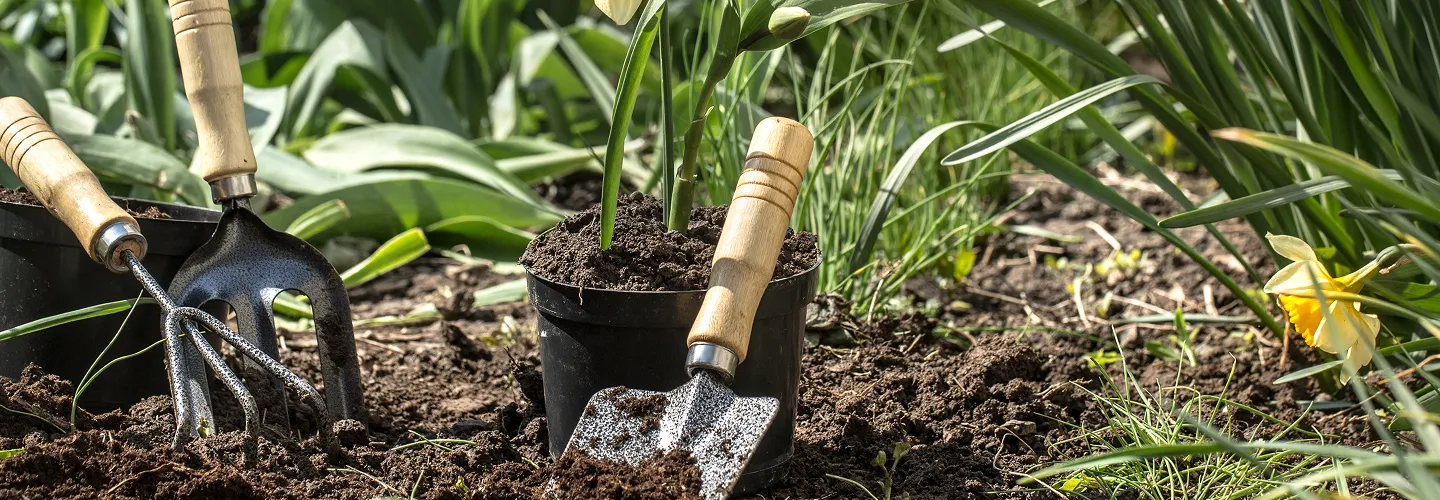
Alpharetta Flower Planting Services
Choose our flower planting services for vibrant, healthy blooms that enhance your curb appeal and thrive all season long—our experienced team selects the perfect flowers for your space and ensures professional planting for lasting beauty.
Get a Free QuoteOur Alpharetta Landscaping & Yard Care Services
When to Schedule Flower Planting in Alpharetta, Georgia – Seasonal Guide
Flower planting in Alpharetta, Georgia, is best scheduled with careful attention to the region’s unique climate and landscape. The ideal planting windows are typically early spring, after the last frost date in late March, and early fall, when soil temperatures remain warm but the risk of extreme summer heat has passed. Neighborhoods like Windward and Avalon often experience microclimates due to varying tree coverage and proximity to Big Creek, so it’s important to assess your specific site conditions before planting.
Local environmental factors such as humidity, periodic droughts, and the clay-heavy soils common in Alpharetta can all impact flower establishment and longevity. For example, shaded lots near Wills Park may require different flower varieties and timing compared to sunnier, open yards. Always check for municipal guidelines or seasonal water restrictions, which can be found on resources like the Sudbury town website, to ensure compliance and optimal results.
Local Factors to Consider for Flower Planting in Alpharetta
- Proximity to mature trees and resulting shade coverage
- Soil composition (clay, loam, or sandy areas)
- Average precipitation and risk of drought
- Frost dates and seasonal temperature swings
- Terrain slope and drainage patterns
- Neighborhood-specific municipal restrictions or HOA guidelines
Benefits of Flower Planting in Alpharetta
Expert Local Knowledge
Customized Landscape Designs
Seasonal Plant Selection
Enhanced Curb Appeal
Eco-Friendly Practices
Reliable Maintenance Services

Alpharetta Flower Planting Types

Annual Flower Planting
-
Perennial Flower Beds
-
Native Wildflower Gardens
-
Seasonal Color Rotations
-
Pollinator-Friendly Plantings
-
Shade Garden Flowers
-
Drought-Tolerant Flower Selections
Our Flower Planting Process
Site Evaluation
Soil Preparation
Plant Selection
Careful Planting
Watering and Mulching
Why Choose Alpharetta Landscape Services
-
Alpharetta Homeowners Trust Us
-
Expert Lawn Maintenance
-
Reliable Scheduling
-
Competitive Pricing
-
Professional Team
-
Satisfaction Guarantee
-
Personalized Service
Alpharetta's Piedmont Red Clay Soils and Bed Preparation for Flower Planting
Alpharetta sits within Georgia's Piedmont region, where soils are predominantly Cecil and Appling series — dense, acidic red clay with pH levels typically ranging from 5.5 to 6.0. These soils drain poorly when compacted and can restrict root development for flowering annuals and perennials. Before planting, property owners should conduct a soil test through UGA Cooperative Extension to determine amendment needs. Practical bed preparation steps include:
- Incorporate 3–4 inches of compost or aged organic matter to improve drainage and aeration
- Apply lime if pH falls below 5.8, targeting 6.0–6.5 for most flowering species
- Till to a minimum depth of 8–10 inches to break compaction layers
- Avoid working clay soils when saturated to prevent structural damage
Soil data for Alpharetta parcels can be reviewed through the USDA Web Soil Survey, which provides parcel-level soil series mapping useful for planning bed locations and drainage improvements.
Optimal Flower Planting Windows for Alpharetta's USDA Zone 7b Growing Season
Alpharetta falls within USDA Plant Hardiness Zone 7b, with average minimum winter temperatures between 5°F and 10°F. The city's long warm season — typically spanning late March through October — supports two primary planting windows for flowering plants:
- Spring annuals and perennials: Plant after the average last frost date, generally mid-March to early April; soil temperatures should reach at least 55°F for warm-season species
- Fall color plantings: Install cool-season flowers such as pansies, snapdragons, and ornamental kale from late September through October, when daytime temperatures drop below 75°F
- Summer-blooming perennials: Establish in April through May before peak heat arrives in July and August
The National Weather Service Atlanta forecast office provides current temperature and frost advisories relevant to planting timing. Alpharetta's summer humidity and afternoon thunderstorm patterns, common from June through August, can accelerate fungal pressure on dense flower beds, making spacing and drainage critical during warm-season installations.
Protecting Alpharetta Stormwater Infrastructure During Flower Bed Installation
Flower planting activities that involve soil disturbance, mulch application, or fertilizer use near drainage features require attention to Alpharetta's stormwater management standards. The city's Alpharetta Stormwater Program oversees water quality protection across the city's drainage network, which includes detention ponds, roadside swales, and connections to Big Creek and its tributaries. Key compliance practices include:
- Maintain a minimum 10-foot buffer between active planting beds and any stormwater inlet, swale, or drainage channel
- Avoid applying granular fertilizers within 25 feet of storm drains or open drainage features
- Use erosion control measures such as silt fencing or straw wattles during large-scale bed installation on sloped lots
- Do not allow mulch or soil amendments to wash into curb inlets or roadside ditches
The Georgia EPD Watershed Protection Branch establishes water quality standards applicable to residential and commercial landscaping activities statewide. Property owners near Big Creek Greenway or other riparian corridors should verify applicable buffer requirements before disturbing soil adjacent to these features.
Alpharetta Stormwater Program
2 Park Plaza, Alpharetta, GA 30009
Official Website: Alpharetta Stormwater Program
Selecting Heat- and Humidity-Tolerant Flowering Plants for Alpharetta Landscapes
Alpharetta's summer climate — characterized by sustained temperatures above 90°F from June through August and relative humidity frequently exceeding 70% — demands careful plant selection for long-season performance. Species that perform poorly under heat stress or are susceptible to fungal disease in humid conditions should be avoided in exposed, low-airflow beds. Recommended heat-tolerant flowering species for Alpharetta conditions include:
- Annuals: Vinca (Catharanthus roseus), pentas, angelonia, celosia, and lantana perform reliably through summer heat
- Perennials: Black-eyed Susan (Rudbeckia), coneflower (Echinacea), daylily (Hemerocallis), and salvia are well-adapted to Piedmont conditions
- Shade beds: Impatiens (downy mildew-resistant varieties), caladiums, and begonias suit Alpharetta's wooded residential lots
UGA Cooperative Extension publishes Georgia-specific plant selection guides that account for regional heat, humidity, and soil conditions. Property owners should also consult the UGA Extension Invasive Species resource to avoid inadvertently introducing invasive flowering plants such as Chinese wisteria or Japanese honeysuckle into beds adjacent to natural areas or greenways.
Environmental Stewardship and Alpharetta's Natural Resources Commission Guidance
The Alpharetta Natural Resources Commission (NRC) provides guidance on environmental stewardship and sustainability practices relevant to residential and commercial landscaping, including flower planting. Property owners undertaking significant bed installations — particularly those adjacent to wooded corridors, wetland edges, or the Big Creek Greenway — should be aware of the NRC's conservation priorities. Practical environmental considerations include:
- Prioritize native flowering species to support local pollinators and reduce irrigation demand
- Avoid synthetic pesticide applications within 50 feet of natural areas, streams, or detention features
- Use organic mulch at 2–3 inch depths to retain soil moisture and reduce irrigation frequency during Alpharetta's dry summer periods
- Confirm that any soil amendments or fertilizers comply with the Georgia Fertilizer Act of 1997, which governs labeling and composition standards for commercially sold products
Alpharetta Natural Resources Commission
2 Park Plaza, Alpharetta, GA 30009
Official Website: Alpharetta Natural Resources Commission
What Neighborhoods Do We Serve Throughout Alpharetta, GA?
- Downtown Alpharetta / Milton Avenue Corridor: Established residential lots with mature tree canopy create significant shade pressure on planting beds; shade-tolerant species selection and amended clay soils are primary considerations in this area.
- Windward: A large master-planned community with varied lot sizes, detention pond adjacency, and HOA landscape standards that may govern plant species, bed placement, and mulch materials.
- Avalon / North Point Area: Mixed residential and commercial-adjacent properties with compacted urban fill soils common in newer development phases; drainage improvement is often necessary before bed installation.
- Crabapple District: Older residential lots near the historic Crabapple crossroads feature shallower topsoil and proximity to small tributary drainages; erosion control during bed preparation is advisable.
- Webb Bridge Road Neighborhoods: Subdivisions along this corridor include properties adjacent to Big Creek tributaries, where stormwater buffer awareness and native plant selection are particularly relevant.
- Haynes Bridge / Old Milton Parkway Area: Newer subdivisions with fill soils and limited organic matter require thorough bed amendment before establishing perennial or annual plantings.
- Devonshire / Northwinds: Wooded residential neighborhoods with significant shade from mature hardwoods; caladiums, ferns, and shade-tolerant perennials are well-suited to these conditions.